
News
6 min read
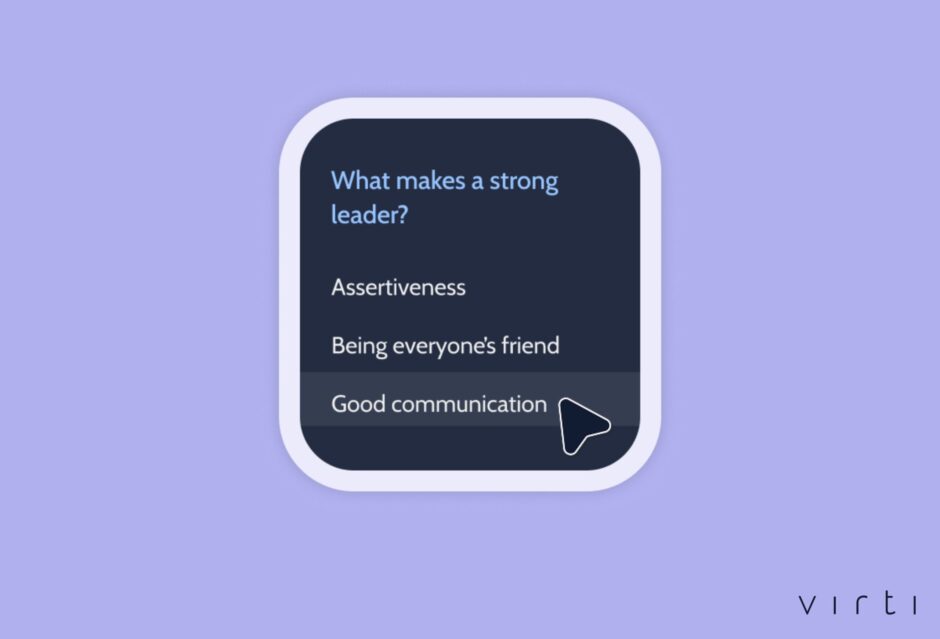
Passive learning methods often fail to equip learners with the practical skills they need to succeed. Scenario based learning (SBL) is a transformative approach that engages learners by placing them in the driver’s seat of real-world situations, challenging them to think critically, problem-solve, and learn from their mistakes.
What is scenario based learning?
Scenario based learning (SBL) is a teaching method that places learners in realistic situations, where they must apply their knowledge to solve problems and navigate challenges. Unlike traditional learning methods, SBL promotes active learning, critical thinking skills, and decision-making skills. It emphasizes problem-solving, application of knowledge, and learning from mistakes. SBL aims to deepen understanding through practical engagement and will be further explored for its benefits, effectiveness, and application in various fields.
Offline vs. online scenario based learning
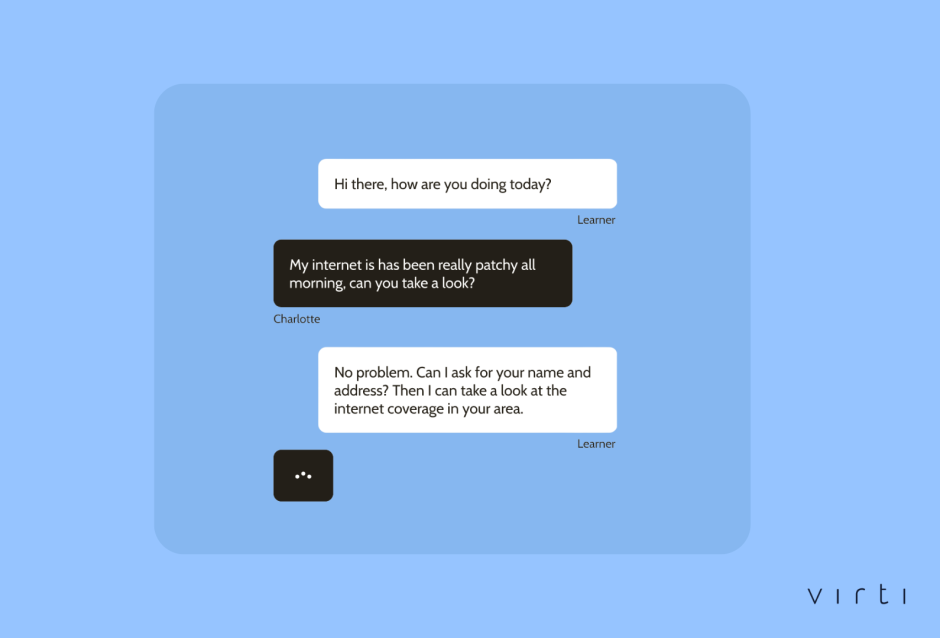
The debate between offline and online learning methodologies, specifically in the context of scenario based learning (SBL), is becoming increasingly relevant as the educational landscape evolves. Offline SBL involves simulated scenarios within physical environments, offering hands-on experience, real-time feedback, and social interaction, but it comes with limitations such as logistical challenges and simulation based learning with multiple scenarios is costly. On the other hand, online SBL delivers immersive learning experiences through digital platforms, like AI roleplay tools, offering a flexible, scalable learning process. Not to mention the data analytics gathered too. The choice between offline and online SBL depends on factors like learning objectives, audience demographics, and resource availability. A blended approach that combines elements of both offline and online SBL can provide diverse learning opportunities while mitigating the limitations of each approach.
The benefits of implementing scenario based learning
What sets scenario based learning apart from traditional learning methods is it allows learners to explore the nuances of real-life situations, providing a level of immersion that forces multiple cognitive processes and enhances knowledge retention. By placing learners in the role of decision-makers, scenario based learning empowers them to take ownership of their learning and apply their problem solving skills in practical, meaningful ways. Whether it’s mastering complex medical procedures or following compliance training, scenario based learning enables learners with the tools they need to excel in any situation.
What makes a good Scenario-Based Learning activity
Scenario-based training is most powerful when it feels realistic, engaging, and directly relevant to the learner’s role. Whether you are training leaders, sales teams, or customer service representatives, effective scenarios should immerse participants in situations that closely mirror real-world challenges they might face.
To design impactful scenario-based learning activities, consider these key principles:
- Define Clear Learning Objectives
Start with a specific goal, what skill or behaviour should the learner develop? What is your active learning strategy? Whether it’s improving communication, enhancing decision-making, or mastering conflict resolution, a clear objective keeps scenarios focused and purposeful. - Create Realistic Contexts
Use scenarios that reflect actual workplace situations. This could mean simulating a high-pressure sales negotiation, a challenging performance review, or a customer complaint resolution. The more authentic the context, the more meaningful the learning. - Incorporate Decision Points
Give learners opportunities to make choices that influence the outcome. Decision points encourage active participation and critical thinking, helping learners internalise the impact of their actions and create transferable skills. - Embed Feedback Loops
Immediate feedback strengthens learning. Whether through facilitator-led debriefs, peer review, or AI-powered insights, learners should know what worked, what didn’t, and how to improve. - Allow Safe Failure
A key advantage of scenario-based learning is the ability to practise without real-world consequences. Design scenarios where learners can experiment, make mistakes, and refine their approach in a safe environment without fear of damaging relationships or performance metrics. - Align with Organisational Goals
Ensure your scenarios support broader training objectives and company priorities. Alignment makes scenario-based learning relevant, measurable, and impactful.
By applying these principles, organisations can design scenario-based learning activities that not only engage learners but also deliver measurable improvements in skills and performance.
Different types of scenarios for every need
From interactive simulations to role-playing exercises, scenario based learning offers a wide range of scenarios to suit every learning style and objective. Whether you’re looking to enhance communication skills, soft skills, or develop leadership skills, scenario based learning is fully customized to meet your needs. We outline the top 5 use cases for scenario based learning here.
- Compliance training
Scenario based learning in compliance training uses realistic scenarios to help learners understand and apply regulations effectively. By immersing learners in decision making scenarios, it creates a safe space to practice without real world consequences, reducing human error and ensuring adherence to policies. - Soft skill training
SBL enhances soft skills by placing learners in challenging situations that require communication skills, critical thinking, and problem solving. This immersive approach helps learners build transferable skills and become active participants in their learning journey. - Sales training
Using branching scenarios, scenario based learning develops sales skills by simulating real life sales techniques and negotiations. Learners work through various scenarios that mirror real life context, improving their ability to handle objections and close deals effectively. - Corporate training
Scenario based learning addresses diverse corporate training needs by providing interactive scenarios tailored to specific roles and objectives. This flexible, immersive approach accelerates the learning curve and boosts student engagement across departments. - Most relevant situations
SBL adapts to various scenarios, offering learners the chance to practice in a low risk environment across multiple paths. Whether for safety training, leadership development, or technical skills, well designed scenarios build knowledge and encourage self assessment from different perspectives.
Is scenario-based learning right for you?
As you start on your learning journey, consider the benefits of scenario based learning and how it aligns with your goals and objectives. Whether you’re a student or professional looking to upskill, or an educator or professional looking to improve learning development, SBL offers a dynamic, engaging approach to learning that can help you reach your full potential.
Embracing the Future of Education
Adaptability and innovation are key to the future of education. Scenario based learning emerges as a beacon of possibility, offering a transformative approach to education that empowers learners to thrive in any situation. By embracing SBL, you can unlock your full potential and embark on a journey of lifelong learning and growth. So why wait? Take the plunge into scenario-based learning today and discover the limitless possibilities that await. Learn how to recreate online scenario based learning to deliver fully immersive experiences with Virti.