Upskilling
7 min read
Conflict pops up naturally in our day-to-day lives – from small annoyances to tough conversations. When we’re dealing with normal life stress, different personalities and varying workloads, workplace conflicts can flare up quickly. These tensions hurt how businesses runs, how people talk to each other, and the overall work environment, making the office an uncomfortable place for many. That’s why it’s so important for companies to tackle conflicts head-on and find ways to reduce workplace disputes.
That’s where AI role play and immersive solutions come in to save the day. With AI-powered simulations, your team can practice navigating tough conversations in realistic scenarios, gaining hands-on experience in managing disputes. This training equips employees with the skills to resolve conflicts effectively, fostering a more harmonious and productive environment. Conflict resolution training develops essential skills for managing most workplace conflicts and maintaining healthy relationships. In this article, we explore the benefits of conflict resolution training with AI, key components to include, and practical strategies for implementation.
Jump to:
- Using AI role play for conflict resolution training
- What is AI roleplay?
- Key Components of Effective Conflict Resolution Training
- Creating Realistic Conflict Resolution Scenarios
What is conflict resolution?
Conflict resolution is the process of addressing and resolving disagreements or disputes, in a constructive and effective manner. Sometimes also called conflict management, it involves identifying the root cause of the conflict and facilitating open communication between two or more parties, and finding mutually beneficial solutions. The goal is to resolve conflict in a way that maintains positive relationships between the parties involved.
Using AI role play for conflict resolution training
Training in conflict resolution significantly boosts employee morale by providing them with the skills necessary to manage disputes effectively, as well as developing the ability to manage workplace conflict and engage in creative problem solving. However, more traditional methods like hypothetical interviews and telling your boss just don’t cut it anymore.
Companies that invest in AI roleplay training solutions usually see their teams talking to each other more openly. And we all know good communication is key for creativity and new ideas. AI training platforms can analyze communication patterns like pace and turn-taking to learn how to detect potential conflict triggers, resolve disagreements and leading to positive outcomes. By using immersive real-world scenarios, AI gives employees a chance to practice difficult conversations without the real-world consequences. This safe space lets them try different approaches and see what works best before facing actual, real workplace tensions. In addition, training equips employees with structured courses and best practices in conflict resolution strategies, team building, and leadership development, all of which are integrated into AI roleplay.
With practice, employees become adept at workplace conflict resolution, and in turn experience less stress and anxiety, leading to a more positive work environment. When employees feel comfortable sharing their thoughts and concerns without fear of creating disputes, it opens doors to more collaborative efforts and innovative outcomes. Conflict resolution training encourages such an atmosphere by instructing individuals on how to engage in open and constructive dialogue.
Before we go on to creating AI scenarios and immersive learning environments let’s break down what they are.
What is AI roleplay ?
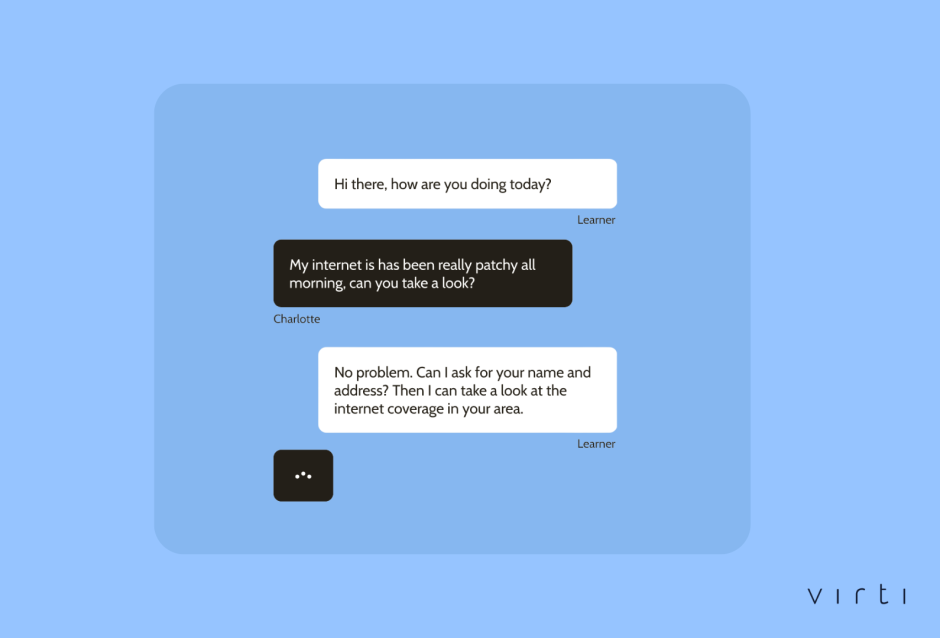
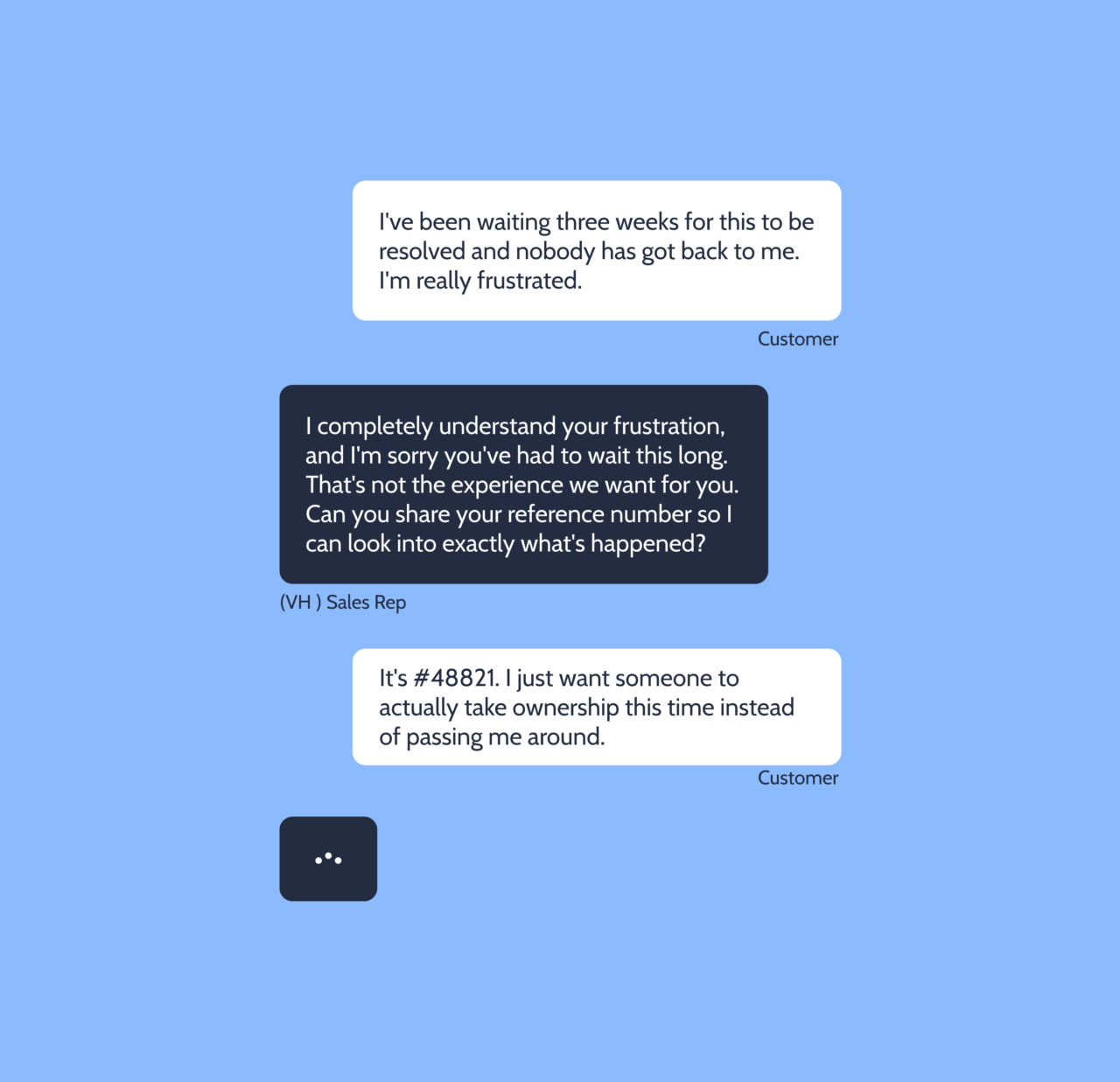
AI Role Play uses advanced artificial intelligence to simulate realistic, interactive conversations for training purposes. Learners engage in immersive, scenario-based experiences where they interact with AI-powered Virtual Humans in real-time. These scenarios replicate challenging workplace situations such as handling conflict at work.
What is immersive learning?
Immersive learning is a teaching approach that deeply engages learners by placing them in realistic, interactive environments where they can actively participate and make decisions. This type of learning often uses technologies like virtual reality (VR) or AI-driven simulations to create lifelike scenarios. By engaging multiple senses and encouraging hands-on interaction, immersive learning enhances understanding and retention, helping learners develop practical skills and gain confidence.
Key Components of Effective Conflict Resolution Training
Conflict resolution training isn’t a one-size-fits-all solution, it needs to be customized to handle different types of workplace issues. Unresolved conflict can have lasting negative effects on productivity, morale, and relationships, so it’s crucial to understand the important role that a well-designed conflict resolution strategy plays in the workplace. After all, organizations are all unique and require unique solutions. Sometimes, combining several approaches, from teaching better listening skills to building emotional intelligence, gives people the tools they need to resolve conflict effectively.
Let’s have a look at some fundamental conflict resolution techniques, including negotiation, mediation, compromise, and the goal of reaching agreement.
Active Listening Techniques
Active listening is a key piece of handling conflicts well, and roleplaying AI can make a big difference here. When you’re using AI roleplay platforms, they can help you practice:
- paying full attention to what others are saying, focusing on the conversation to fully understand the other person’s perspective
- really understanding the message behind the words
- giving helpful feedback that shows you’re listening
- remembering important points from the conversation
AI platforms can analyze conversations in real-time and give you tips on when you might be missing important cues or jumping to conclusions too quickly. They can point out patterns in your responses that might be shutting down communication. Active listening facilitates discussions and helps all parties reach a better understanding, making conflict resolution more effective. This kind of immediate feedback helps trainees develop better listening habits that lead to clearer understanding between people in conflict. Additionally, AI can simulate different emotional tones and communication styles, giving you practice with a wide range of situations you might face in real workplace disagreements.
De-escalation Strategies
AI roleplay tools are great for practicing meditation strategies like how to cool things down when tensions start rising at work. These virtual practice sessions can teach you:
- how to stay calm when someone else is getting heated
- techniques to prevent emotional outbursts before they happen.
- phrases that can help lower the temperature in tense conversations
- body language that signals you’re open to finding solutions
The AI can create realistic scenarios where emotions are running high, letting you manage conflict and practice your de-escalation skills in a safe environment. It can recognize when you’re using language that might accidentally make things worse, and suggest alternative approaches on the spot.
Creating Realistic Conflict Resolution Scenarios
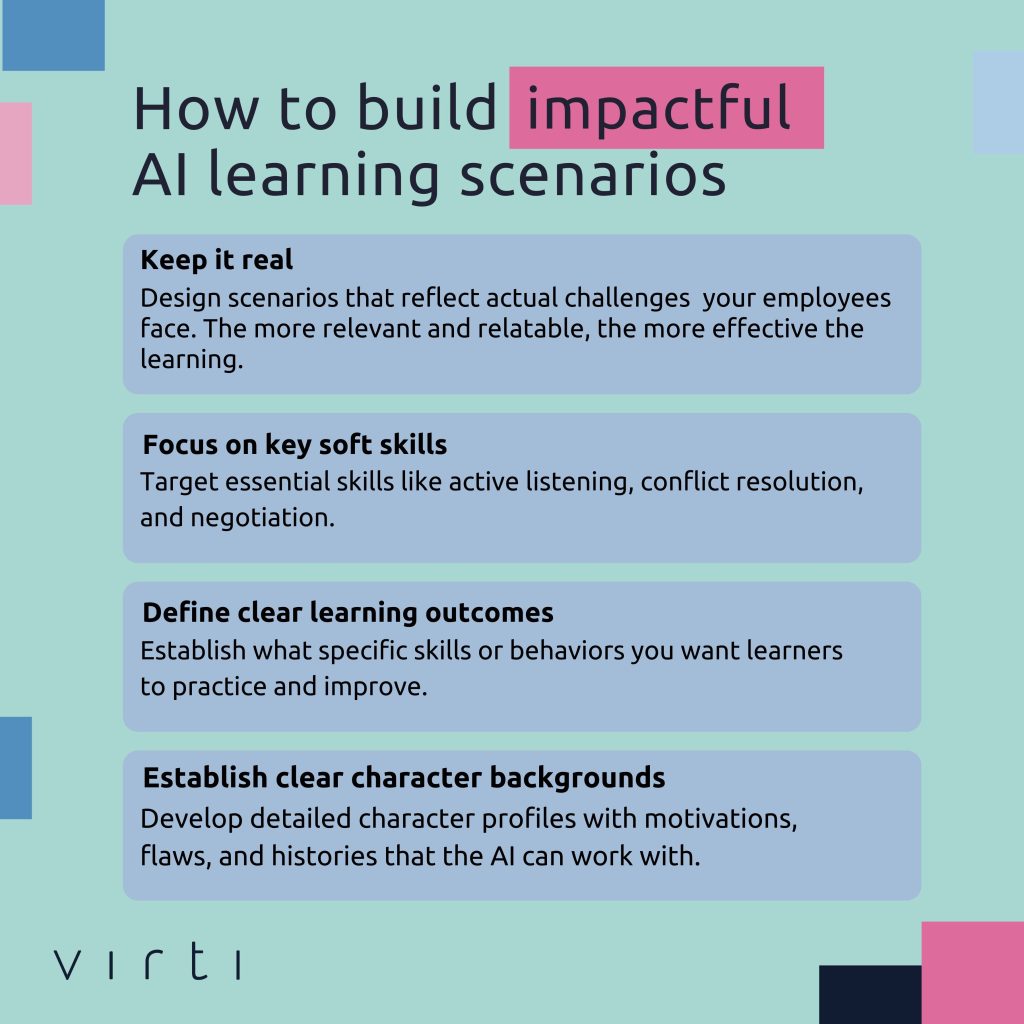
AI-powered simulations offer realistic, workplace-based scenarios that align with business objectives, providing employees a safe space to practice conflict resolution skills. By customizing scenarios to reflect actual workplace challenges, employees can engage in exercises that mirror real conflicts they might face, making the training more relevant and impactful.
These tailored scenarios encourage collaborative problem-solving, equipping employees with practical skills to navigate disputes and work towards effective, amicable solutions. This approach not only improves conflict resolution capabilities but also aligns training with the organization’s specific needs and goals.
Summary
Conflict resolution training is a powerful tool that can transform the workplace into a more harmonious and productive environment. By enhancing employee morale and leadership development, fostering better communication, and creating a positive workplace culture, such training addresses the root causes of conflicts and provides employees with the skills needed for successful resolution.
Investing in conflict resolution training with AI role-play is not just about resolving conflicts—it’s about building a resilient, collaborative, and innovative workforce. With the right strategies and AI platform, like Virti, in place, organizations can ensure that their teams are well-equipped to navigate disagreements, leading to a more cohesive and effective work environment.